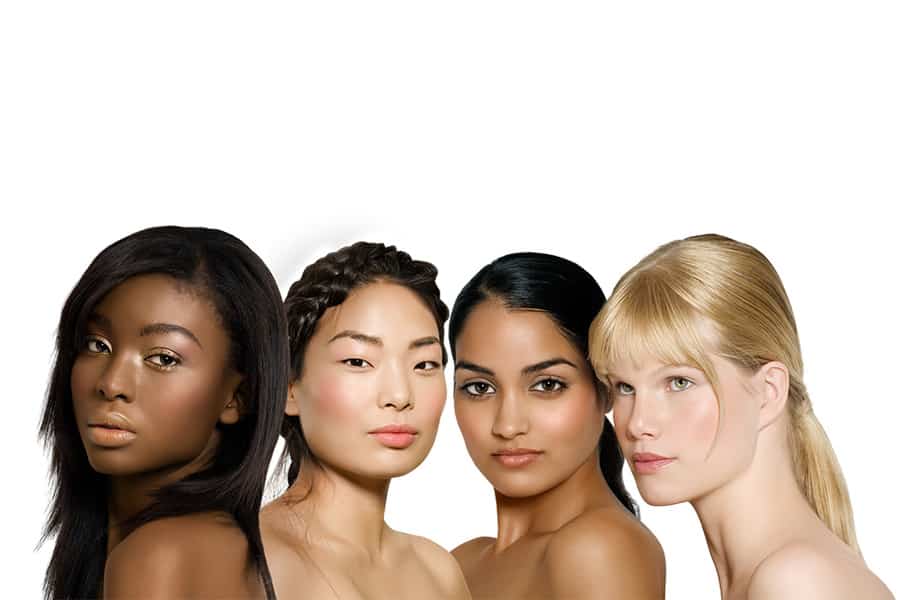
Beauty standards shift across the world. Each culture values unique types of beauty. These ideals reflect history and beliefs.
Understanding cultural beauty matters. It shapes identity and self-expression. Globalization blends these types of beauty.
Some admire fair skin. Others celebrate dark tones. Body art defines beauty in many tribes.
These differences teach us. They show how beauty has many forms. Exploring them enriches our view.
The world holds endless types of beauty. Recognizing them fosters respect. It also connects us.
This article explores these variations. It reveals how cultures define beauty differently. Let’s discover them together.
Historical & Cultural Perspectives on Beauty
Beauty changes across time and place. Ancient cultures created distinct types of beauty. These ideals reflected their values.
Egyptians prized symmetry and balance. They used kohl to enhance eyes. Clean skin and wigs mattered too.
Greeks loved harmony and proportion. Their statues displayed perfect forms. Athletic bodies represented types of beauty. Philosophy linked beauty to virtue.
China valued delicate features. Pale skin symbolized nobility. Small feet became types of beauty. Poetry compared beauty to nature.
Geography shaped these ideals. Deserts, rivers, and mountains influenced them.
Traditions kept standards alive. Rituals preserved cultural identity. Each era redefined types of beauty.
These roots still affect us today. Modern beauty draws from ancient views.
History proves beauty has many faces. Civilizations worshipped different ideals.
Different Types of Beauty Around the World
East Asia celebrates specific types of beauty. Pale skin remains highly valued. A V-shaped face symbolizes elegance. Double eyelids enhance eye appeal. These ideals dominate Korea, Japan, and China.
Africa honors rich cultural types of beauty. Darker skin tones represent heritage. Fuller figures signify prosperity. Scarification marks tribal identity. Ethiopia, Nigeria, and Maasai traditions showcase this.
The Middle East favors striking types of beauty. Bold eyebrows frame the face. Kohl-lined eyes create dramatic looks. Henna art decorates hands. Arab cultures cherish these traditions.
Western standards promote familiar types of beauty. Tanned skin suggests vitality. Slim yet curvy bodies stay popular. Symmetrical features attract attention. The US and Europe embrace these norms.
South Asia prizes traditional types of beauty. Long hair signifies femininity. Bindis adorn foreheads. Ornate jewelry completes looks. India and Pakistan maintain these customs.
Indigenous groups preserve unique types of beauty. Body paint tells stories. Stretched earlobes mark status. Natural hair connects to roots. Maori, Himba, and Amazonian tribes exemplify this.
Inner beauty shines through kindness. Wisdom and character inspire admiration. Spiritual traditions value these traits worldwide.
Grace defines special types of beauty. Posture displays elegance. Dance expresses culture. Movement captivates observers. Geishas and ballet dancers embody this ideal.
Strength represents powerful types of beauty. Resilience commands respect. Warrior cultures celebrate these qualities. Samoan tattoos and Mongol traditions prove this.
Each culture nurtures distinct types of beauty. Physical traits vary widely. Character and spirit also count. Together they form our global tapestry of beauty.
Changing Beauty Standards in the Modern World
Globalization reshapes beauty ideals today. Social media spreads new standards fast. People now see diverse types of beautydaily.
Traditional norms face challenges. The body positivity movement grows strong. It celebrates all shapes and sizes. Natural hair gains global acceptance. These changes empower many.
Fusion trends emerge everywhere. K-beauty wins Western fans. Its skincare focus inspires millions. Afrocentric styles go worldwide. Braids and locs become mainstream.
Cultural exchanges create fresh ideals. Beauty blends across borders. East meets West in exciting ways. Ancient practices find modern fans.
Digital platforms drive this shift. Influencers showcase varied looks. Filters alter reality sometimes. Yet authenticity gains value too.
Youth lead the transformation. They mix traditions boldly. Gender norms soften gradually. Self-expression rules now.
The future looks inclusive. Old standards make room. New types of beauty emerge. Diversity becomes the real ideal.
This evolution continues. Beauty keeps redefining itself. The world learns to appreciate more. Every culture contributes something unique.
Change brings challenges too. But progress wins overall. Tomorrow’s beauty will surprise us. It always does.
Conclusion
Beauty wears countless faces. Each culture paints it differently. History and geography shape our vision.
No single standard exists. Desert tribes prize markings. Cities may favor smooth skin. Islands celebrate strong forms.
These differences teach us. They reveal human creativity. They show our unique values.
Learn to see beauty widely. Appreciate its many forms. Find charm in unfamiliar places.
The real truth shines clear. Beauty lives in the eye. But longing lives in every heart.
We all seek to feel beautiful. This shared hope connects us. Across borders. Beyond time.
Let diversity inspire you. Explore new beauty ideals. Grow richer through them.
Our world needs this wisdom. Different can be dazzling. Variety makes us vibrant.
Remember this simple truth. Beauty has no passport. It belongs wherever it blooms.
Now go see with fresh eyes. Discover beauty’s endless forms. The journey never ends.

1 Comments
I always was concerned in this subject and stock still am, regards for posting.