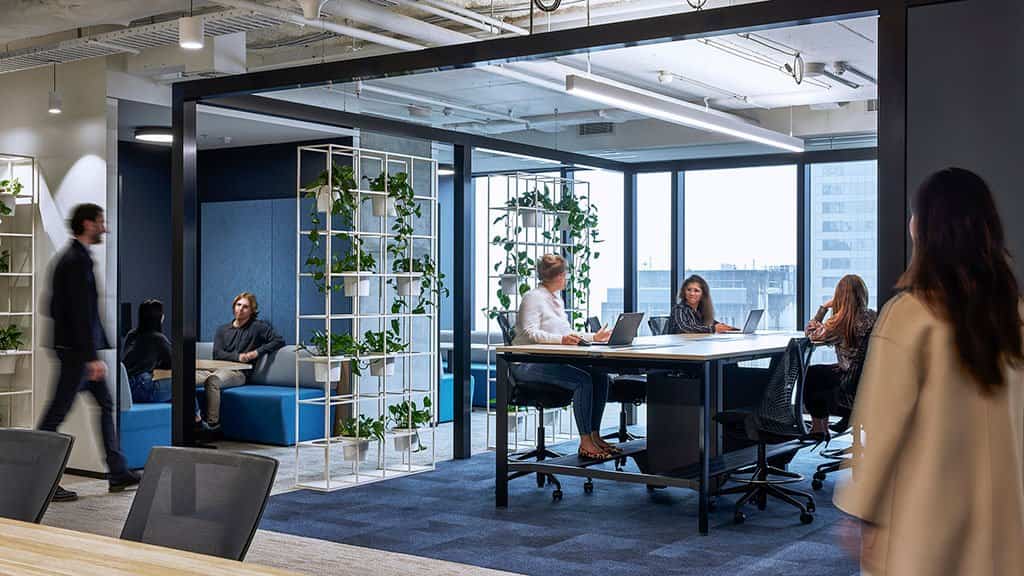
Sociological trends shape how societies evolve. These patterns influence behaviors and norms. Workplaces mirror these changes closely. Studying them helps businesses adapt. Modern work environments transform rapidly. Key trends drive this shift. Remote work redefines flexibility. Diversity gains focus. Generational values clash. Technology alters job roles. Employee activism grows. Each trend impacts workplaces deeply. Businesses must understand these shifts. Adaptation ensures long-term success. Sociological trends offer critical insights. They guide workplace strategies effectively. Ignoring them risks falling behind. The future of work depends on awareness. This article explores these vital changes.
Major Sociological Trends Influencing Workplaces
Remote work changes office dynamics. Hybrid setups replace traditional models. Flexibility now drives job preferences. Collaboration evolves with virtual tools. Productivity faces new challenges. Work-life balance shifts focus.
Diversity gains workplace priority. Inclusive cultures attract top talent. Hiring practices reflect societal values. Generational demands shape policies. Equity becomes non-negotiable.
Generational gaps create friction. Boomers and Gen Z clash. Work values differ sharply. Communication styles demand adaptation. Leadership approaches must adjust. Mentorship bridges experience divides.
The gig economy grows fast. Freelancing overtakes stable jobs. Contract work offers freedom. Job security concerns rise. Benefit systems need rethinking.
Technology transforms work roles. AI automates routine tasks. New skills gaps emerge. The digital divide deepens. Workers must adapt faster.
Employee activism gains power. Staff demand ethical alignment. Social values influence employers. Climate action enters boardrooms. Political stances affect branding.
Sociological trends redefine modern workplaces. Businesses must track these shifts. Adaptation ensures competitiveness. Ignoring change risks irrelevance. The workforce keeps evolving.
Challenges for Employers
Sociological trends create new workplace hurdles. Employers struggle to keep top talent. Outdated policies drive workers away. Modern staff demand flexible conditions. Companies must rewrite old rules.
Balancing freedom with teamwork tests managers. Remote work weakens office bonds. Virtual teams need new connection strategies. Culture building goes digital.
Burnout rates climb higher. Mental health concerns grow urgent. Workers reject toxic hustle culture. Employers must prioritize wellbeing. Support systems become essential.
Generational gaps complicate leadership. Young workers want purpose. Older staff seek stability. Bridging these divides takes skill.
The gig economy reshapes loyalty. Contract workers need engagement. Traditional benefits don’t fit. New reward systems emerge.
Tech changes outpace training. Workers fear automation. Upskilling programs prove critical. Employers must invest heavily.
Sociological trends keep evolving. Smart companies adapt quickly. Those who don’t risk failure. The future belongs to responsive leaders.
Future Outlook
Workplaces will keep evolving rapidly. Sociological trends point to shorter workweeks. Four-day schedules may become standard. AI will transform job roles completely. Human-machine collaboration will grow normal.
Flexible arrangements will dominate. Office spaces may serve social purposes. Remote work will require new management styles. Digital nomadism could reshape cities.
Generational turnover will accelerate priorities. Purpose will outweigh paychecks. Ethics will drive employer choices. Sustainability becomes a workforce demand.
The gig economy might stabilize. Hybrid employment models could emerge. Benefits may follow workers not jobs. Portable safety nets might develop.
Smart companies will track trends early. They’ll adapt policies before crises hit. Continuous learning will fuel competitiveness. Agile cultures will outperform rigid ones.
Sociological trends offer valuable clues. Businesses must read these signals well. Future success belongs to the responsive. The workplace revolution has just begun.
Conclusion
Sociological trends redefine modern workplaces. Remote work reshapes office culture. Diversity demands transform hiring practices. Generational shifts challenge leadership norms. Technology alters career paths permanently. Employee activism raises ethical standards.
These changes require urgent attention. Forward-thinking companies adapt now. Others risk falling behind completely. Understanding workforce evolution proves critical.
Business leaders must act decisively. Track emerging patterns constantly. Update policies proactively. Engage employees authentically. Build flexible organizations.
The data proves undeniable. Workplace success depends on sociological awareness. Ignoring these trends threatens survival. Embracing them creates competitive advantage.
Start analyzing your workforce today. Implement changes tomorrow. Future-proof your organization now. Sociological insights light the path forward. The time to act is here.

